
Blog
Field stories, lessons, and technical insights from the WarriorWL wireline team.
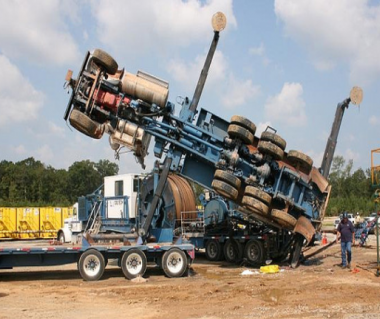
Critical Lessons Learned from the Crane Deck During Wireline Logging Operations in the Oilfield
The crane isn’t the first thing most people think about when they talk wireline logging. Most attention goes to the logging cable, the perforating gun, or the downhole sensors used in formation evaluation. But if you’ve been out on enough cased hole logging jobs—especially in the high-stakes world of wireline and perforating—you know that without
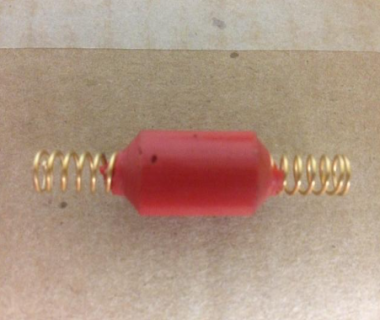
Finding Collars and Confidence: A Wireline Story from the Depths
They say every tool tells a story—if you know how to read it. For me, one of the most underrated tools in the wireline logging arsenal is the Casing Collar Locator, or CCL. It’s not flashy like a perforating gun, and it doesn’t give you beautiful caliper log curves or deep formation evaluation insights. But
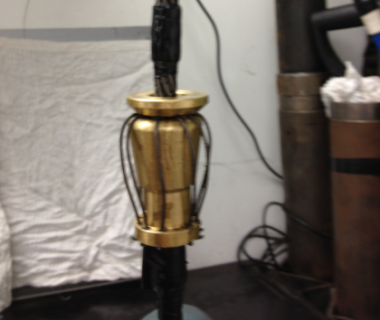
Reheading Under Pressure: What the Weakpoint Taught Me About Wireline Safety
It was one of those long days on location—hot, dusty, and behind schedule. We had a cased hole logging job to run: standard CBL log, some production logging, and maybe a perforation service request depending on what the logs showed. Everything was in place. The wireline truck was ready, the wireline control systems fired up,
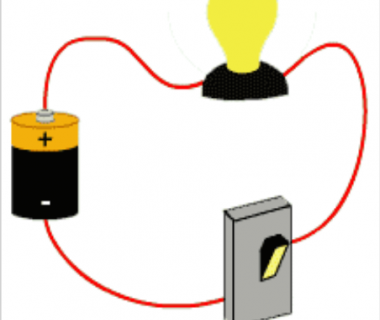
What a Short Taught Me About Wireline Cable Integrity
Some lessons in the field hit you hard—not because the job went wrong, but because it went exactly the way it could have if you didn’t know what you were doing. We were prepping for a standard cased hole logging run. The tools were rigged up, the wireline truck powered, and the logging cable coiled
What the CBL Log Taught Me at 12,000 Feet
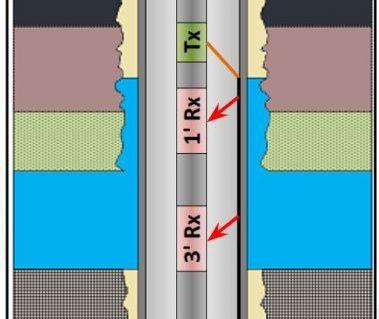
I still remember that shift like it was yesterday. We were working a deep vertical well, pushing down past 12,000 feet. The job was straightforward: run a standard cement bond log (CBL) and variable density log (VDL) to evaluate the cement integrity. Simple enough, right? But anyone in wireline logging knows—there’s no such thing as

If You’re Off by 3 Feet, You Might As Well Be Off by 3000
We were working a deep lateral out in the basin. The frac crew was moving fast, everything running smooth on a cased hole wireline job. My team was setting up for a wireline perforating run, and I requested the base log depth to tie into. The client handed me the numbers from a previous crew—looked

Errors Happen When You Stop—The Hard Lesson Behind Continuous Setting Tool Prep
There’s one rule I never let my crew forget: never start prepping a setting tool unless you can finish it in one go. That rule didn’t come from theory. It came from experience—specifically, a hectic cased hole wireline job where an operator was pulled away mid-prep. The tool ended up with mismatched explosives and a

The Time a Sign Saved the String: Tagging Out the Wellhead During Stage Frac Ops
It was a fast-paced stage frac operation—high pressure, tight turnarounds, and everyone moving in sync. We were working a long lateral in a cased hole wireline job, running back-to-back stages with little room for error. The crew was sharp. The wireline truck was live. Our logging cable was 12,000 feet deep. We had just finished

You Only Skip the Explosive Safety Checklist Once—If You’re Lucky
We were on day two of a tight multi-stage perforation well project. Everything was on track—wireline truck parked and grounded, frac crew ready, logging cable tension good, and the next perforating gun already staged. And then the storm rolled in. Now, we had a choice: push forward and beat the weather—or stop, check conditions, and

Why Explosive Safety Isn’t a Checklist—It’s a Mindset
You can tell a lot about a wireline crew by how they handle explosives—not when everything’s going right, but when the pace picks up, the client is breathing down your neck, and you’re five stages deep into a pump down perforating job. I remember one particular perforation well out in West Texas. Wind kicking up,

Off Depth, Off Target: Why Base Log Correlation Is Everything in Wireline
The thing about wireline logging is that you can have the most advanced wireline tools, the sharpest crew, the most dialed-in wireline control systems—but if your base log isn’t accurate, everything that follows is built on sand. I learned that lesson early in my career, during a cased hole logging job where we were prepping

The Stage Was Set, But the Guns Weren’t—How We Got Serious About Perforating Prep
It was one of those high-tempo jobs. Multiple wells, fast frac cycles, and a tight window for every pump down perforating run. We were mid-way through a cased hole wireline stage, tools were on the deck, and the client was asking for tighter turnarounds between runs. That’s when it happened: we had a misrun. No