
Blog
Field stories, lessons, and technical insights from the WarriorWL wireline team.
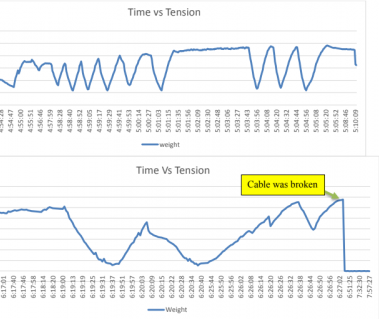
The Day the Cable Snapped at Surface and Why We No Longer Cycle Tension Blindly
There are jobs you never forget in the wireline business—and this was one of them. Not because of a misfire or a lost run, but because it reminded us just how fast things can go sideways when you’re dealing with live wireline tools and thousands of pounds of tension. We were halfway through a pump

The Misrun That Was Waiting at 200 Feet and Why Switch Tests Became Our Lifeline
In wireline, you don’t always know when something’s gone wrong—until you’re already past the point of no return. That was the case on this job, a typical pump down perforating run on a horizontal well. We had the wireline truck in place, the logging cable tensioned, and the gunstring assembled and checked. The plug was
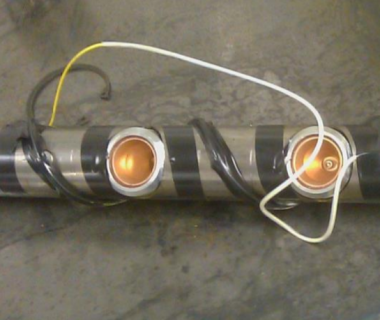
The Misrun We Couldn’t Trace—Until We Opened the Gun and Found the Peeled Wire
It was supposed to be just another stage on a pump down perforating run. The wireline truck was in position, tools were dressed, and we were cruising through a multi-cluster frac job on a long horizontal well. The guns passed initial switch tests, plug was set, and everything looked green on the wireline control system.
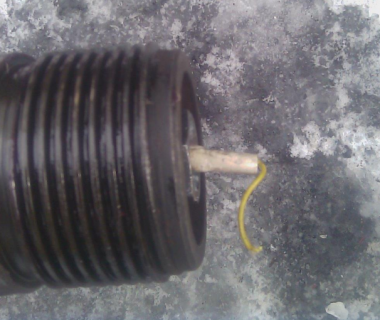
The Broken Through Wire That Shut Down a Stage and How We Now Switch Guns Without Fail
We’d just finished setting the plug on a pump down perforating job—stage one had gone off perfectly. Guns fired, no hang-ups, everything checked out on the wireline control system. But on the next stage, just as we went to arm the string, the system showed an open circuit. Now, any wireline engineer will tell you
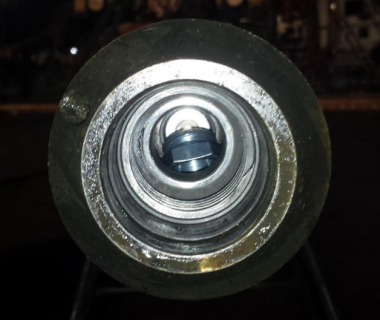
The Retainer Nut That Shorted a Firing Head and How It Changed Our Gunstring Protocol
Not every misrun ends in a dramatic misfire or stuck string. Sometimes, it’s quieter than that. Sometimes, it’s a single thread on a single retainer nut that unravels your entire plan. That’s exactly what happened on one of our pump down perforating runs. The kind of job we’ve done hundreds of times. The wireline truck
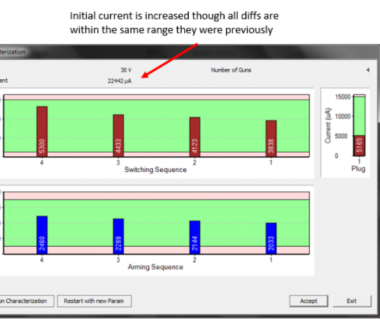
What 6,000 Microamps Taught Me About Correlation and Confidence in Cased Hole Logging
In this line of work, you get used to trusting the numbers—volts, amps, counts, depths. But every now and then, the numbers throw you off. That’s what happened the first time we ran a Titan CCL alongside a Dyna firing system on a cased hole wireline job. It wasn’t a misfire. It wasn’t a failure.
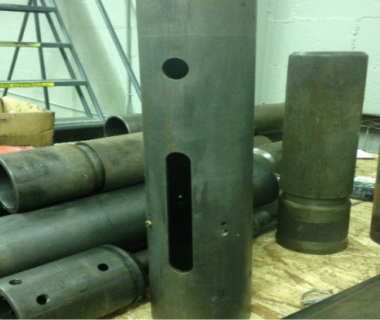
The Crushed Sleeve That Stuck the String and Why Vented Tools Are Now Non-Negotiable
There’s a sinking feeling you get when the logging cable goes tight and doesn’t bounce back. When you realize the wireline truck isn’t moving the string an inch. When it’s not a plug, not a gun, not a debris problem—but a mechanical failure built into your own toolstring. That’s exactly what happened to us on
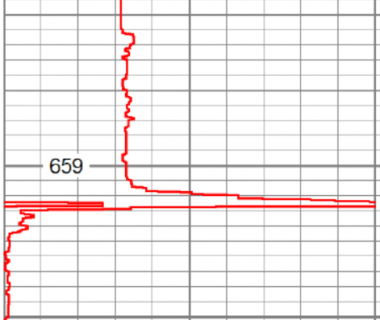
The Three-Second Window That Almost Took the Gunstring Down: A Lesson in Surface Pull-Offs and Winch Control
There’s a kind of silence that hits after a near-miss. Not the loud kind that follows a gunfire or a tool drop—but the kind that creeps in when you realize how close you were to losing control. That’s what we faced the day we had an unintentional pull off (UPO) at surface. A simple lift,
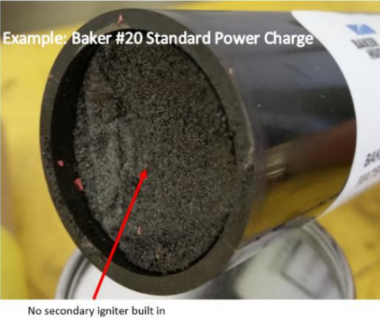
The Misfired Plug That Changed How We Build Our Firing Heads Forever
You don’t forget the sound a plug doesn’t make. If you’ve worked in wireline and perforating long enough, you know what I mean. You prep the wireline tools, verify the shot sheet, check your wireline control systems, and go through all the motions—only to realize the plug didn’t set. The power charge never lit. And
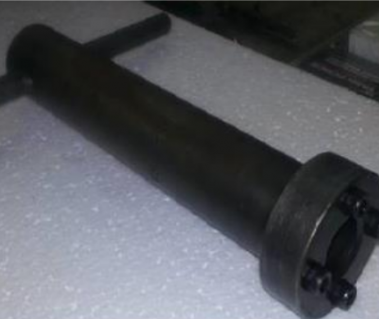
The 30 Feet of Wire That Nearly Got Left in the Well and the Greasehead Check We Never Skip Again
In wireline, it’s not the catastrophic blowouts or lost strings that haunt you—it’s the close calls. The near misses. The little moments when the job should’ve been shut down, but momentum kept it going. I’ve seen plenty, but one of the most sobering happened during a pump down perforating run when we nearly left 30
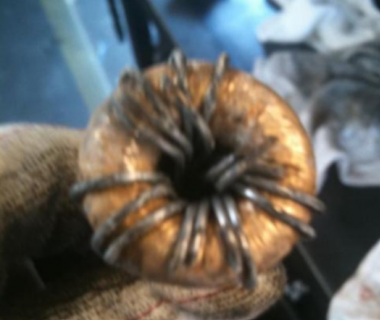
The Weakpoint That Wasn’t and the Armour Cut That Nearly Cost Us a Fishing Job
It’s funny how something as thin as a few strands of armor can derail an entire wireline and perforating operation. I’ve always respected the details in this business—how a logging cable is spooled, how a perforating gun is assembled, how every O-ring gets torqued. But it wasn’t until a misrun during a routine horizontal wireline
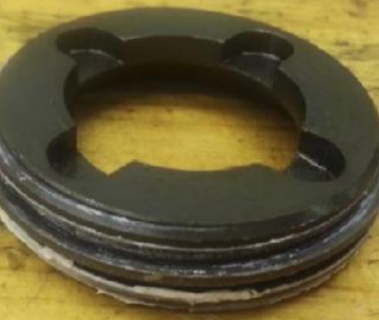
The Lock Ring That Caused Intermittent Gun Failures and the Wireline Inspection That Fixed It
I’ve run enough wireline strings to know when something feels off. You get that subtle tension shift, or the switch test just doesn’t sit right, and you know deep down: something’s not right inside the string. But this one had me scratching my head. We’d done everything by the book—gunstring checked, logging cable verified, switch