
Blog
Field stories, lessons, and technical insights from the WarriorWL wireline team.
The Weight Bar That Nearly Failed a Gunstring and Why We Rebuilt Our Redress Routine
In the wireline world, failures don’t always explode—they erode. One misfit sub here, a mismatched thread there. And suddenly, your gunstring is in the hole, your logging cable is hot, and your continuity check just failed with no clear explanation. That’s exactly what happened to us on a recent cased hole wireline job. It was
The Port Plug We Missed and the Gunstring We Should Have Rechecked
In wireline, every run is a high-stakes operation. Between the pressure control systems, the electrical diagnostics, and the explosives packed into every perforating gun, the only thing standing between a flawless job and a flooded gunstring is attention to detail. A while back, during a pump down perforating run on a horizontal well, we learned
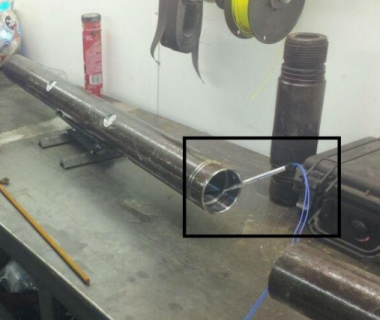
How a Bench-Built Gun Nearly Became a Bomb and Why We Never Leave Detonators Exposed Again
If you’ve been in the wireline game long enough, you know this job isn’t just about gear—it’s about discipline. And sometimes, a close call is the only thing that forces a lasting change. One of those moments came for me while assembling a high-shot wireline perforating string for a horizontal wireline job on a multi-stage
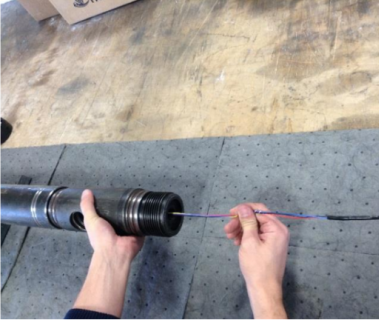
The Gunbuilding Shift That Prevented a Detonator Disaster and Changed Our SOP for Good
In wireline, there are a handful of moments that permanently change how you operate. One of those moments hit me hard during a wireline and perforating run a few years back. We were prepping a standard pump down perforating job. The plan was solid, the wireline truck was prepped, our wireline control systems checked out,
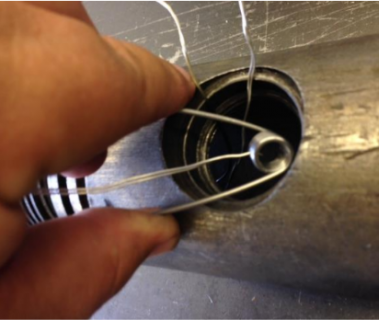
How Grounding Springs Fixed the Ghost Failures in Our Wireline Gunstrings
I’ve been around wireline long enough to know that when something goes wrong, it usually doesn’t scream at you. It whispers. A missed shot here. An intermittent switch test failure there. Just enough weirdness to raise suspicion, but not enough to point a clear finger—until the whole job goes sideways. That’s exactly what we ran
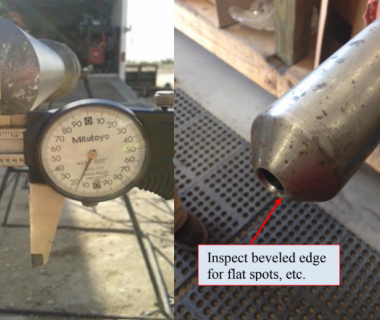
The Fishing Neck That Caught More Than It Was Supposed To and What It Taught Us About Pre-Run Inspections
We were getting ready to run a standard pump down perforating job on a horizontal well. The crew was sharp, the wireline truck had just been serviced, and the wireline tools were assembled and tested. It looked like a smooth job on paper. But things changed fast when we started pulling out of the hole
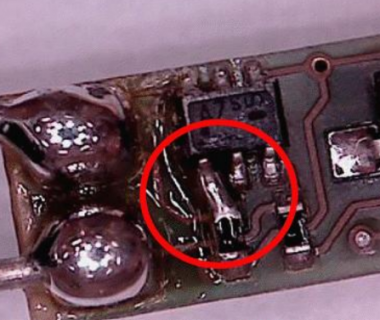
How a Faulty Detonator Led to a Misrun and the Wireline Fire Check I Never Skip Anymore
In the world of wireline perforating, you’re always one step away from either flawless execution or a frustrating misrun. I’ve been on both sides of that line, but one incident made sure I’d never leave detonator checks to assumption again. This was a standard cased hole wireline operation—horizontal well, multi-stage plug-and-perf, classic pump down perforating
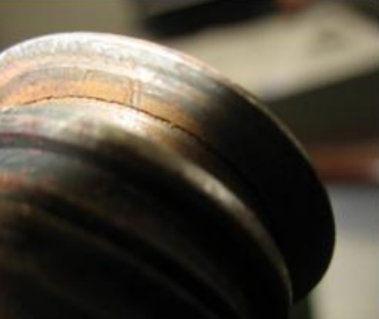
The Port Plug That Took Down a Perforating Run and What It Taught Us About Wireline Assembly Discipline
If you’ve spent enough time in the wireline business, you know that sometimes it’s not the high-tech logging cable, the fancy surface readout, or the latest wireline control systems that fail—it’s something much smaller. In this case, it was a cracked port plug. And that tiny failure caused a full misrun. We were midway through
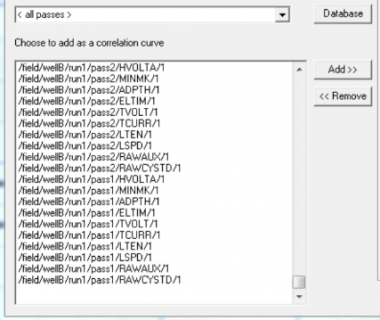
How We Pulled Off a Perfect Wireline Job Without a Marker Joint or Margin for Error
There’s a certain rhythm to wireline logging—a sequence of checks, measurements, and confirmations that keeps everything aligned downhole. For years, we relied on marker joints to correlate depth for plug setting, perforation services, and cased hole logging. Then came the job where that rhythm broke. No marker joint. No fixed reference point. And no room

The 10-Foot Mistake That Nearly Threw Off an Entire Perforation Stage
Wireline logging requires accuracy, attention, and repetition. But even with the best wireline tools, advanced logging cable, and seasoned wireline control systems, human error still finds a way in if you let your guard down. It happened on a horizontal well, during a routine pump down perforating run. Everything looked fine at first. The wireline
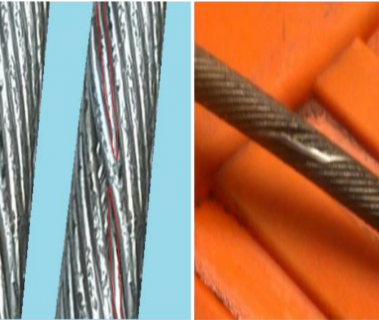
The Cable Mistake That Nearly Cost Us a Wireline Toolstring
In this industry, you learn fast that it’s not always the electronics, pressure, or explosives that shut down a wireline operation. Sometimes, it’s something as simple as the cable itself. I found that out the hard way during a routine cased hole logging operation that turned into a troubleshooting nightmare—all because of crossed armors. We
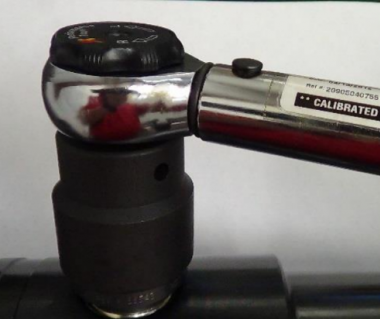
How a Loose Retainer Nut Turned Into a Lesson in Wireline Assembly Discipline
In wireline, precision matters. There’s not much room for error when you’re handling downhole tools, managing wireline pressure control equipment, and running high-stakes perforation wells. One job taught me that in the clearest way possible. It all came down to a small but critical component—the bleeder disc retainer nut on a setting tool. We were